
Introduction: “Free” is something magical in the thriving world of artificial intelligence. It does not stop with writing assistants and image generators as far as chatbots and coding tools, there are hundreds of AI platforms claiming to be entirely free. However, there is the condition, though, not all that is marked as being free comes at zero cost.
The glitter of the marketing conceals the list of covert expenses, tradeoffs, and strategic constraints to encourage users to pay higher fees. When you use or expect to use free AI tools in 2025 you need to know what you may be sacrificing.
We discuss the topic and give 5 hidden pitfalls of using free AI tools, what they may be really costing you and ways you can make better decisions without getting seduced by the media in this post.
Trap #1: Your Data Becomes the Product
Lots of freely available AI applications gather and utilise user data to train models, target advertisements, or resell to third parties without explicit user consent.
So what is actually going on?
By feeding data to a free AI tool (e.g. text, images, voice, or documents), you could be granting rights to that data to train the model or sell it in commercial products.
Example:
The free writing tools may study your behavior to enhance their AI system or may add your requests into marketing databases. A free A.I artwork generator can keep the right to republish or reuse your created art.
How to prevent:
Take care to read the privacy policy and terms of use. Free tools should never be used to enter sensitive, personal information or proprietary information. Select sites where they expressly publish the terms of trial as none that preserves the data or where they can request to withdraw their training input.

Trap #2: Usage Limits That Kill Productivity
Almost all free AI tools will give you a substantial onboarding experience–and then give you hard-usage limits after you adjust.
What This Looks Like:
Few prompts that can be used on a day to day basis (e.g. 10 free queries). Images, with watermarks, or video. Features that die after you have a specific number of uses (e.g. only 3 documents can be auto-summarized/month). Such restrictions may bog down your productivity, encourage you to pay more, and give you paywalls.
Example:
Notion AI offers monthly free credits, after you consume them you have to upgrade to continue generating. The free version of Pictory AI puts watermarks and limits the length of videos.
How to prevent:
Pick tools that grow with you or provide substance at a reasonable cost with no immediate time limits. Assuming that you are testing something, set tasks within consumption limits and be ready to check several tools until you find the right one.
Trap #3: Lack of Security and Compliance
Most free tools fail to invest in enterprise level security, encryption and GDPR/CCPA and your data is left at risk.
The Risk:
Your documents, visuals or audio may lie unsecurely where you have put them up. Threats to leak or steal data, or use it unjustly are more likely to occur when dealing with programs created by minor parties.
Example:
Free transcription or PDF AI tools sometimes upload files to third-party servers-there are no encryption or auto-delete features. Free browser add-ons can track the surfed patterns or run background activities.
How to prevent:
Muamba stick with respectable sources (such as Google-supported, OpenAI, Adobe, etc). Use open-source or self hosts in sensitive work. Apply Artificial Intelligence solutions that allow easy deletion of data or opt out.

Trap #4: Limited Features That Gate Creativity
The most useful aspects of it (the ones that would make AI useful) are frequently placed behind Paywalls. Free versions provide you with a preview though only to the extent that you wish the manna.
What Gets Left Out:
High-level image resolution or quality. Access to rich history at hand. Existing tools of collaboration or cloud sync. This applies to integrating plug-ins (e.g. code execution, search browsing, API access).
Example:
ChatGPT Free (GPT-3.5) has no access to vision, browsing or plugin access none of which is attainable in the GPT-4. The Canva Free does not support brand kit, background remover or premium templates.
How to Prevent:
Question yourself: Do I require complicated features or simple entry will help? Comparison of tool tiers in advance prior to the investment of time or content. In case you are serious about the use, invest in one high-quality tool instead of using ten free nondescript versions.
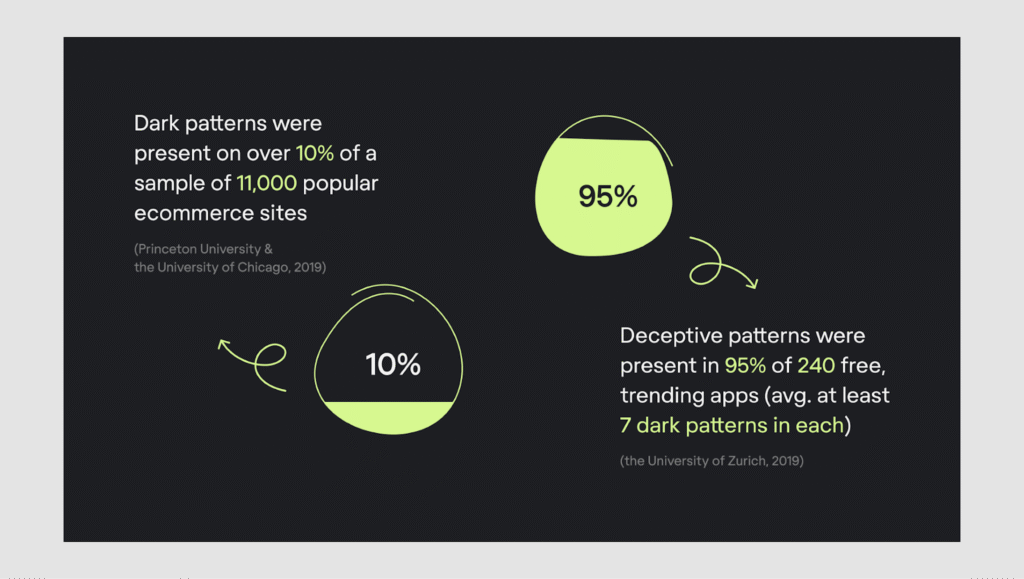
Trap #5: Dark Patterns & Upgrade Pressure
Certain AI applications make free usage hard on purpose or deploy black UX patterns to motivate upgrades. Consider aggressive upsell popups, hard to use buttons, or low-quality service to free users.
Beware:
Reduced quality (e.g. deliberately poorer images in the free plan). Often the frequent disruptions to subscribe. So called free trials that unconsciously auto-renew into paid plans.
Example:
AI video editors can only export at low res unless you boost it up- rendering the entire process useless. There are those that boast of being free, forever, then they begin charging features because of funding or pivots.
How to Prevent:
Read user reactions on sites or with the help of browser extensions. Make sure you read it to see what is in the free level vs premium plan. Be wary of using your credit card in reference to free trials.
Final Thoughts: Free Isn’t Always Free
These are the most promising free AI tools in 2025 to show the movie. But you need to keep both eyes on the prize. As a freelancer, student or a founder of a startup, these trappings can be avoided by simply being familiar with them so as to prevent wastage of expenditure and data hacks.
This is the deal:
Free is good to test, familarize and cover small workflows, but when you need to be consistent, secure and manage daily activity, premium is worth its weight in gold, when it makes sense to your needs.
For more interesting information, visit to our site.