
Introduction: Artificial Intelligence (AI) is changing the face of marketing with automation of tasks, customization of advertisements and forecasting consumer activity. But with increasing sophistication of AI, privacy, bias, and transparency concerns are on the rise.
Marketers have to strike a balance between efficiency of automation and consumer trust as use of AI can result in data leaks, biased algorithms and regulatory penalties. In this guide, we shall discuss:
The current usage of AI in marketing Important ethical issues (privacy, bias, transparency). The guidelines of responsible AI marketing. The trends of ethical AI in the future.
In conclusion, you will have learned how to make the best out of AI in your campaigns and do it happily without the associated morals.
1. The Role of AI in Modern Marketing
AI is transforming marketing in multiple ways:
A. Customeized Advertising
AI learns about the user (voluntary access of browsing history, purchases) and delivers pinpointed advertisements.
For example, the recommendation engine at Netflix leads to a 35 percent increase in interest.
B. Customer service and chatbots
Cognitive chatbots respond to 70 per cent of customer inquires, quickening response time.
Example: A chatbot of Sephora increases conversion by 11%.
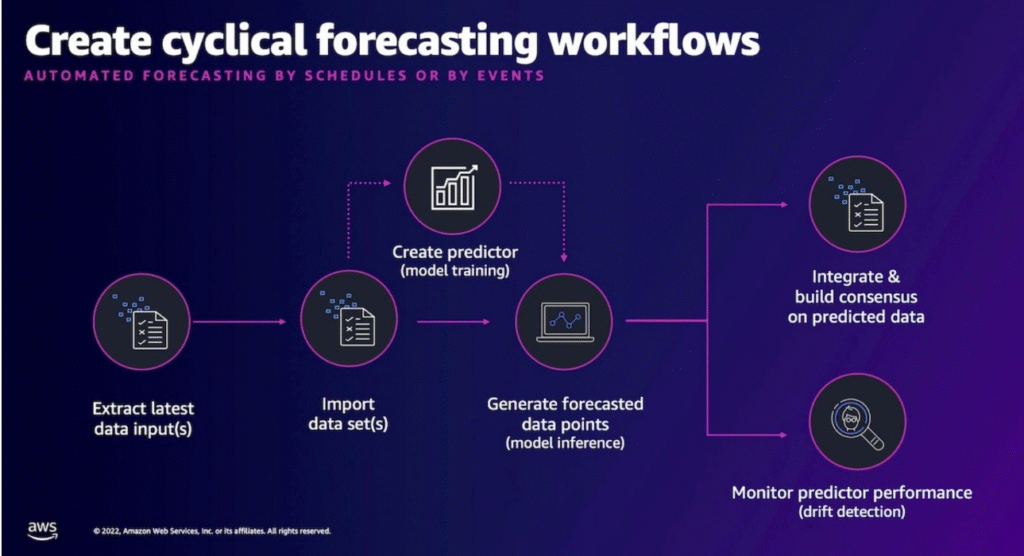
C. Predictive analytics
AI predicts trends, turnover, and sales prospects.
Case in point, Amazon AI-based forecast of demand saves 10 percent.
D. Pricing and Optimization
AI is able to adjust price in real-time based on demand (e.g. Uber surge pricing). As much as this enhances efficiency, it elevates the degrees of ethical challenges.
2. Ethical Concerns in AI-Driven Marketing
A. Data Security & Privacy to Consumers Problem:
AI is based on so much user data, which is, at times, gathered without having explicit consent.
Risk: Data breaches (e.g., Facebook-cambridge analytica scandal). Remedy: GDPR, anonymization methods, as well as CCPA.
B. Algorithmic prejudice and discrimination Issue:
AI has the capability of reinforcing prejudices (e.g. ad targeting of racial/gender discriminations).
Case study: AI Recruitment tool designed by Amazon preferably favored male candidates. Solution: Review AI models with regards to fairness and train on diverse data.
C. Lack of Transparency (“Black Box” AI) Issue:
A great number of AI systems (such as deep learning models) are explainable.
Risk: Customers do not trust AI-powered decisions (e.g., they will not take lightly that an AI denied a loan with no explanation). Remedy: Implement Explainable AI (XAI) and outlay the AI use accordingly.
D. Excessive Automation and Human contact Disappearance Issue:
Over automation may create a robot like interaction.
Illustration: Badly designed chatbots annoy customers. Answer: Integrate AI and human-monitoring to enhance CX.
3. Best Practices for Ethical AI in Marketing
A. Seek Specific Permission of Data Collection
Apply plain opt-in forms (do not check the boxes). Give the users an option to access, edit or delete data.
B. Provide Equity & Lessen Discrimination
Periodically screen AI algorithms with regard to discriminatory trends. Train using different data sets.
C. Be Open Up About the Use of AI
Warn about using AI (e.g. chat bots). Offer explanations to AI-based choices (e.g. ads targeting).
D. Estimation of data
Security Secrets and keep safe encryption. Keep personal information that is not required.
E. Human Oversight + AI Employ
AI to be efficient yet involve human beings in making complicated decisions.

4. The Future of Ethical AI in Marketing
Stricter Regulations: Governments will enforce tougher AI laws. AI Explainability: More demand for transparent AI models. Ethical AI Certifications: Brands will adopt trust badges (like “Fair AI”). Consumer Backlash: Companies misusing AI will face boycotts.
Conclusion
AI can bring undisputed possibilities in marketing, whereas ethics cannot be overlooked. Privacy, fairness, and transparency should be some of the core values of new brands, which will establish long-lasting trust relationships with consumers.
Key Takeaways:
Use AI responsibly—balance automation with consumer rights.
Avoid bias by auditing algorithms and diversifying data.
Stay compliant with GDPR, CCPA, and future AI laws.
Keep humans involved to maintain authenticity.
Want to leverage AI ethically in your marketing? Subscribe for more insights on responsible AI tools!
For more interesting information, visit to our site.