Introduction: Artificial Intelligence (AI) is already changing industry sectors, automating processes, and making better decisions. But in the future, when AI systems will start to become more and more advanced, the question of responsibilities will appear. Who is responsible when an AI decision results in harmful effects–be it the biased hiring algorithm, self-driving car crash, or medical misdiagnosis?
The keyword in the question of responsibility in regards to failures applying to AI is intricate. It incorporates developers, companies, regulators, even the end-user. Here, the particular article examines the ethical and legal issues of AI responsibility and the ways the society can implement to tackle them.
Understanding AI Accountability
AI systems train upon mass amounts of data and make their decisions without an explicitly involved human. In the case of errors it is not simple to identify who is at fault. Major interested parties will be:
1. AI Developers & Engineers
AI models are designed and trained and then deployed by developers. When an AI system malfunctions because of some poor coding or biased training information or poor testing, they can be held responsible by the developers.
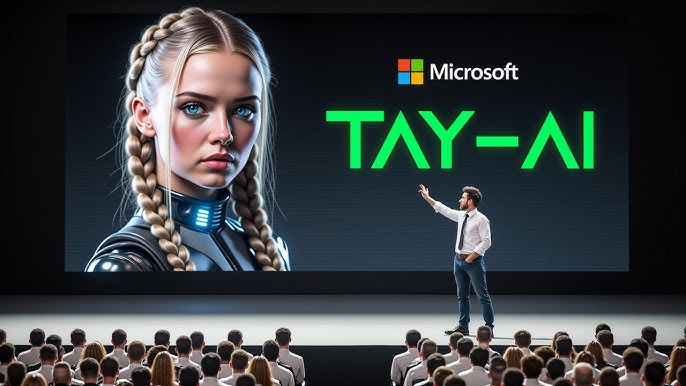
Example: In 2016, the AI chatbot Tay, developed by Microsoft began Tweeting offensive statements after being trained by abusive Twitter users. Microsoft rapidly closed it down, and took the responsibility that improved protections were required.
2. Companies Deploying AI
AIs applied by any organization also need to be ethical, transparent, and have their systems being audited frequently. When a company fails to commit to safety measures, then it might find itself in problem with the law.
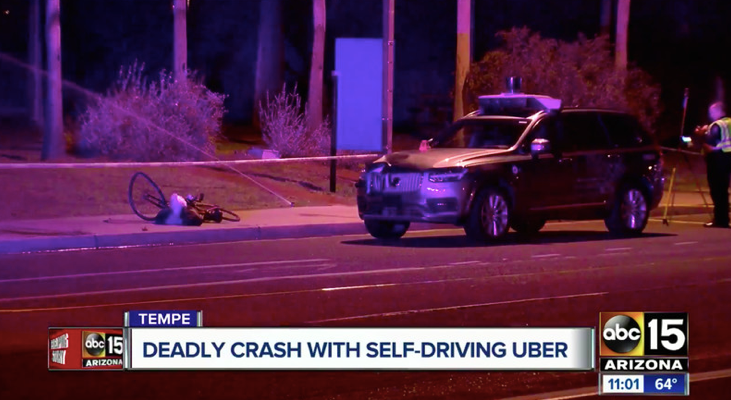
Case Study: There is the case of an Uber self-driving car that killed a pedestrian in 2018. Inquiries had found that Uber had deactivated some of the safety features. It was noted that the company had paid the family of the victim and the act indicated corporate responsibility.
3. Regulators & Governments
The governments should develop legislations to regulate AI usage. The absence of clear regulations can cause unsafe consequences as the companies may take shortcuts.
Example: EU AI Act suggests heavy regulation of the high-risk AI applications with transparency and human control.
4. End-Users
In other instances, the AI tools are used incorrectly by users and may bring undesirable outcomes. The misuse can be counteracted by proper training and guidelines.
Example: Should a doctor use only an AI diagnostic tool without any verification on the results, then the doctor will be susceptible to malpractice.
Legal Frameworks for AI Responsibility
Currently, no universal law governs AI liability. Different countries are exploring approaches:
Strict Liability: The company behind the AI is automatically responsible for any harm caused. Negligence-Based Liability: Accountability depends on whether reasonable care was taken in development and deployment. Product Liability: Treating AI as a product, making manufacturers liable for defects.
Case Study: Autopilot Tesla has been engaged in several accidents. Probers tend to ask whether the motorists were over-reliant when using the system or was Tesla exaggerating its features.
Ethical Considerations in AI Accountability
On top of the legal responsibility there is the question of ethics:
1. Bias & Discrimination
Discrimination can be perpetuated by utilising AI that is trained on biased data.
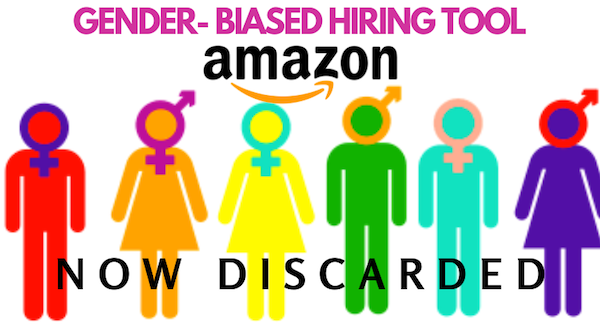
Example: Amazon discarded an AI recruiting tool when it was discovered that it reproduced historical hiring biases but made more in favor of male applicants.
2. Transparency & Explainability
With the black box AI models, decisions are reached in an unclear manner. Being explainable is useful in blaming.
Example: Suppose that an AI rejects a loan application, then the applicant should be given an explanation.
3. Human Oversight
AI is not to substitute a human judgment, but to complement it. The risk is minimised by keeping business in human hands.
Example: AI in healthcare must be used as an assistant to a doctor, not a source of a final diagnosis.
Future of AI Responsibility
As AI evolves, so must accountability frameworks. Possible solutions include:
Mandatory AI Audits: Regular checks to ensure compliance with ethical standards. Insurance for AI Risks: Companies could adopt AI liability insurance. Global AI Ethics Standards: International cooperation to prevent loopholes.
Conclusion
Resolving the question of who to blame in the event of a wrong by AI should be a multi-stakeholder endeavour. The use of ethical AI is ensured through the contributions of developers, companies, regulators and users. With the growth of technology, strong legal and ethical models will be required in striking the right balance between innovation and accountability.
So what have you say? Are AI companies to be full responsible? should the liability be shared? Tell us in the comments!
For more interesting information, visit to our site.